
Politics isn’t just shouting on TV—it’s how a community decides who gets what, when, and how. From bus routes to school lunches, politics sets the rules of daily life. At its best, it balances competing needs with fairness and foresight; at its worst, it turns into a zero-sum brawl where noise beats nuance. Still, let’s be real: avoiding politics doesn’t keep it from shaping you. Whether you vote or not, policies eventually knock on your door—sometimes with opportunity, sometimes with a bill. So rather than throwing up our hands, we can roll up our sleeves. With clear goals, honest data, and neighbors talking to neighbors, politics becomes what it should be: a tool to solve problems.
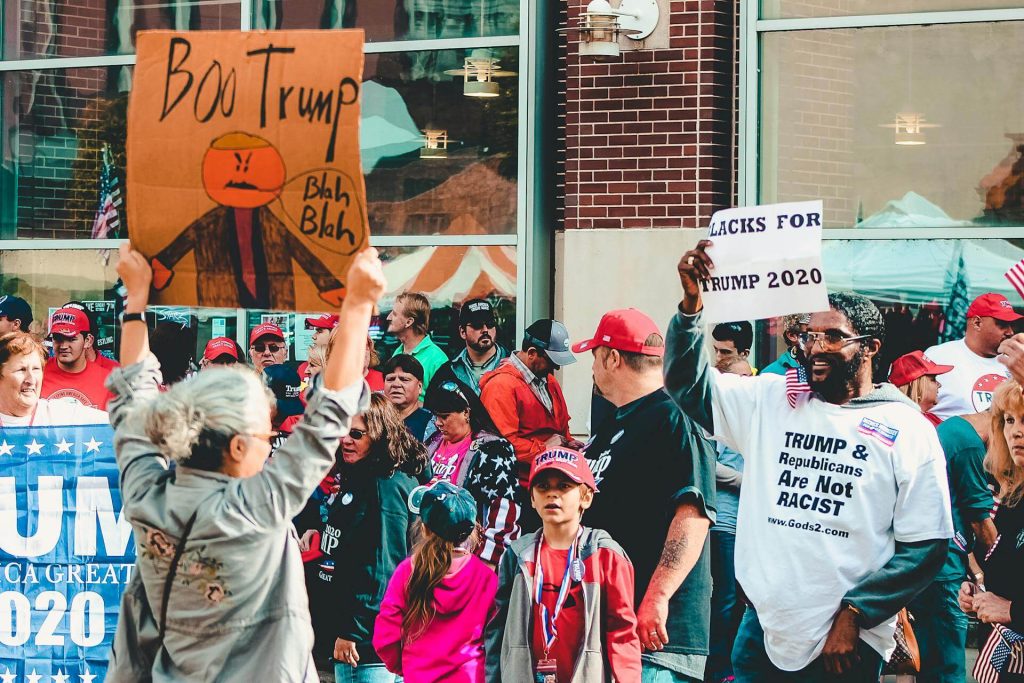
Power, Representation, and the Common Good
Who holds power—and how they use it—matters. Representation means more than faces on posters; it means voices at the table where decisions are made. When policymakers reflect the people they serve, outcomes improve: budgets align with reality, services reach the margins, and trust ticks upward. But representation without accountability? That’s just theater. To keep power honest, we need transparent processes, public records, and watchdogs with teeth. And yes, we need compromise—because in a diverse society, progress often looks like steady steps, not perfect leaps. The common good should steer the ship: safer streets, cleaner air, better jobs, and a fair shot for every family to build a life with dignity.
Policy Over Posturing—Results That Matter
Grand speeches don’t fill potholes; good policy does. Effective politics starts with defining the problem in plain English, then testing solutions with measurable goals. Think pilot programs, public dashboards, and sunset clauses that force a hard look at what’s working. If a policy helps people find work, lowers energy bills, or shortens ER wait times—keep it and scale it. If it flops—pivot, don’t spin. Evidence beats ideology when real lives are on the line. And because budgets are moral documents, every dollar should show its homework: costs, trade-offs, and expected returns. When leaders share the receipts, trust grows, partisanship cools, and—surprise—coalitions form around what actually improves daily life.
Elections, Institutions, and Trust That’s Earned
Elections are the front door of democracy, but institutions are the frame that keeps the door standing. Independent courts, free media, professional civil service—these aren’t fancy add-ons; they’re the guardrails. To protect them, we need free and fair voting, clear rules for money in politics, and quick, nonpartisan service delivery that treats people like customers, not case numbers. After all, trust is earned in the checkout line of government: renewing a license without a headache, getting a permit on time, getting straight answers about where tax dollars go. When institutions work, cynicism loosens its grip, and voters judge leaders by results—not just vibes, slogans, or tribal jerseys.
How Citizens Turn the Gears—Yes, You
Here’s the kicker: politics isn’t a spectator sport. You can register voters, join a local board, testify at a hearing, or simply email a representative—with a specific ask and a calm tone. Share your story; it’s the bridge between spreadsheets and real life. Want more bite? Organize your block, build a coalition, and track outcomes with a simple public spreadsheet. Celebrate wins, own misses, and keep moving—because durable change often happens in inches, then suddenly in miles. In the end, politics works when we do: listening first, arguing in good faith, and finding common ground without losing our backbone. Better policies, better lives—that’s the whole point, isn’t it?